Tools
The AI4SoilHealth Toolbox combines field methods, laboratory approaches, digital tools, and supporting services for soil health assessment and monitoring.
Each toolbox component supports the assessment of one or more soil health descriptors, covering the physical, chemical, and biological dimensions of soil health. Some methods are designed for rapid field screening, others provide deeper laboratory analysis, and digital services help users record, visualise, compare, and communicate soil health information.
Digital tools and services
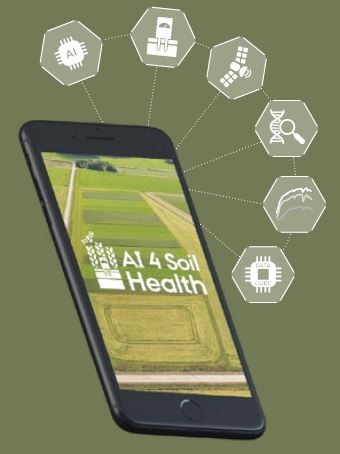 AI4SoilHealth App Main user-facing environment for recording, viewing, and interacting with soil health information.
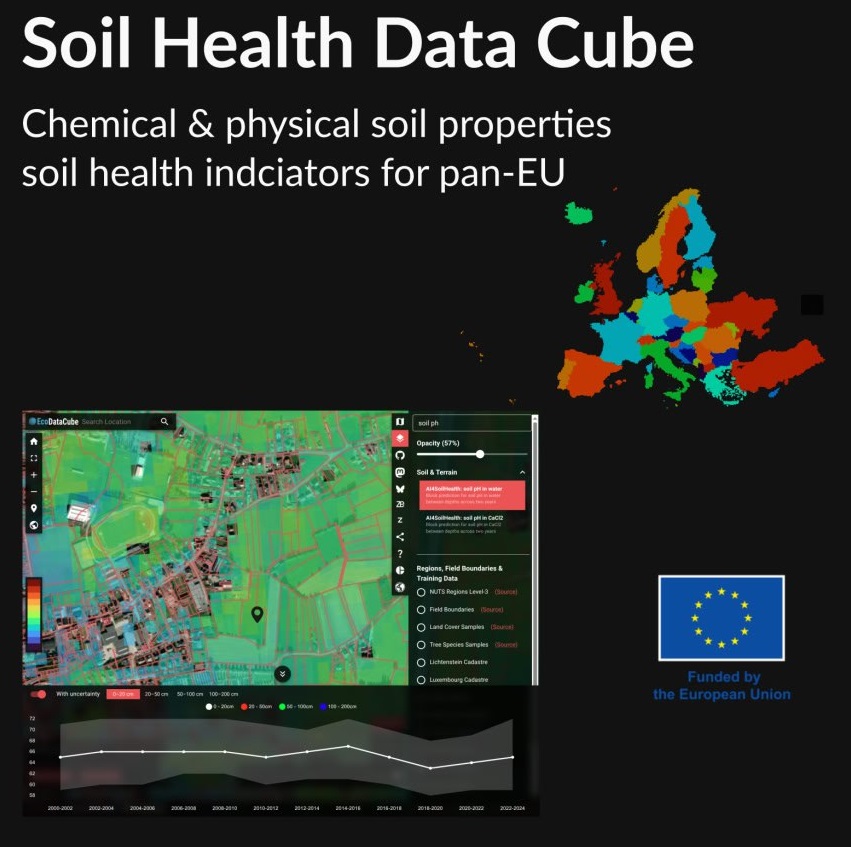 Soil Health Data Cube Supporting digital service that provides contextual maps, spatial layers, and background information for soil health monitoring.
Field tools and rapid assessment methods
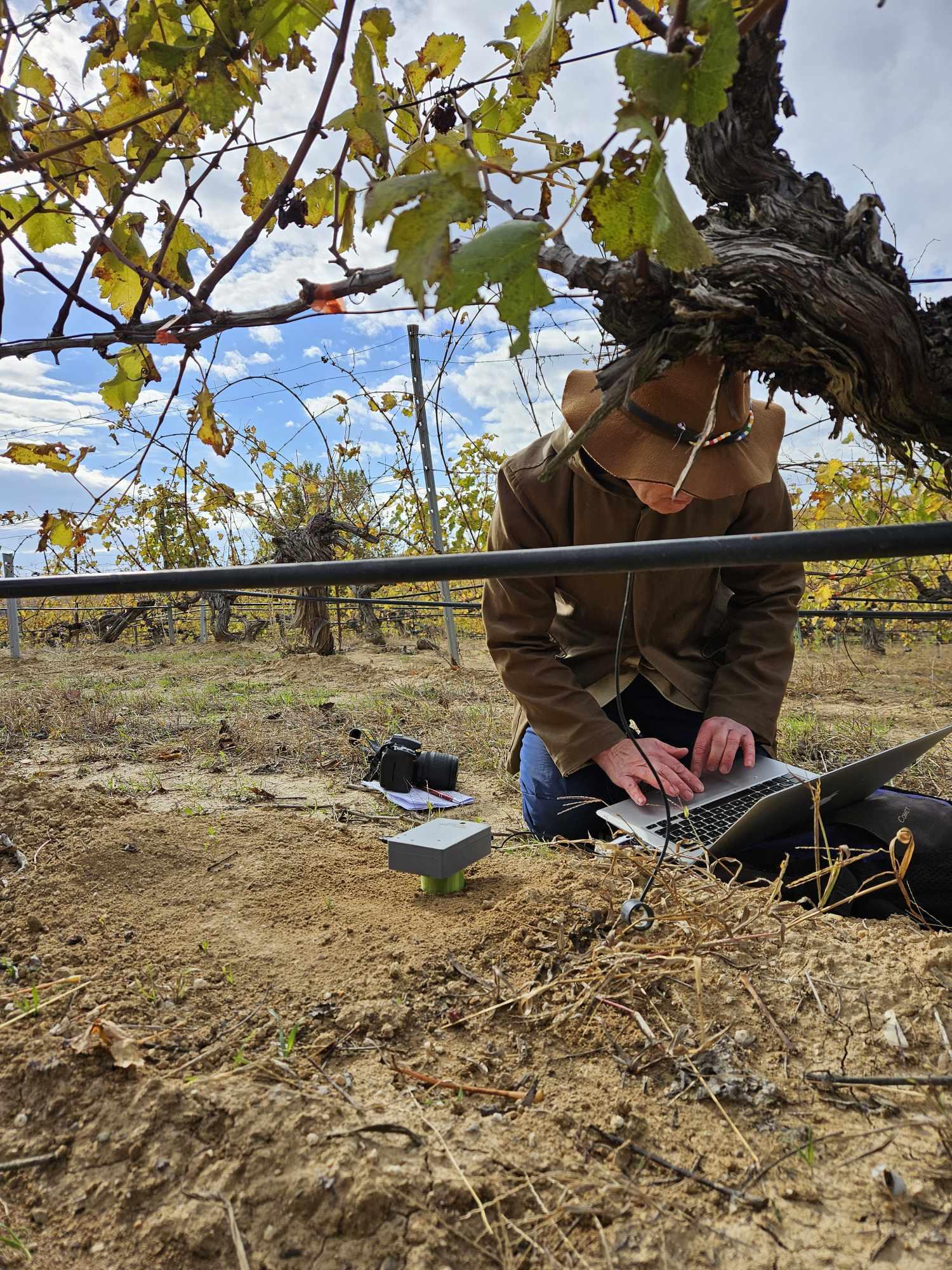 Soil Spectroscopy Rapid, non-destructive assessment method for screening key soil physicochemical properties in support of soil health monitoring.
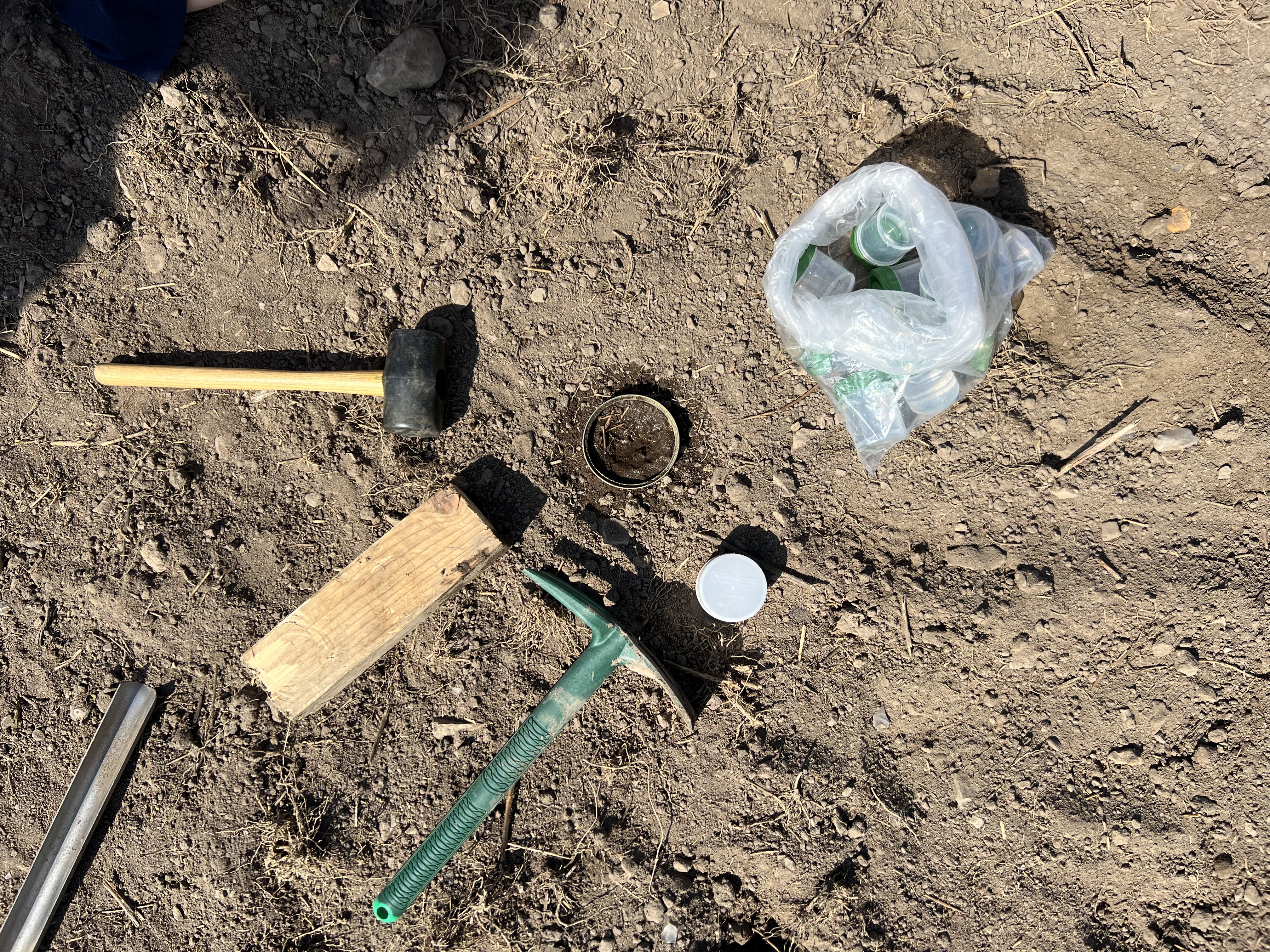 Infiltration Rate Field method used to assess water entry, infiltration behaviour, and related physical soil functioning.
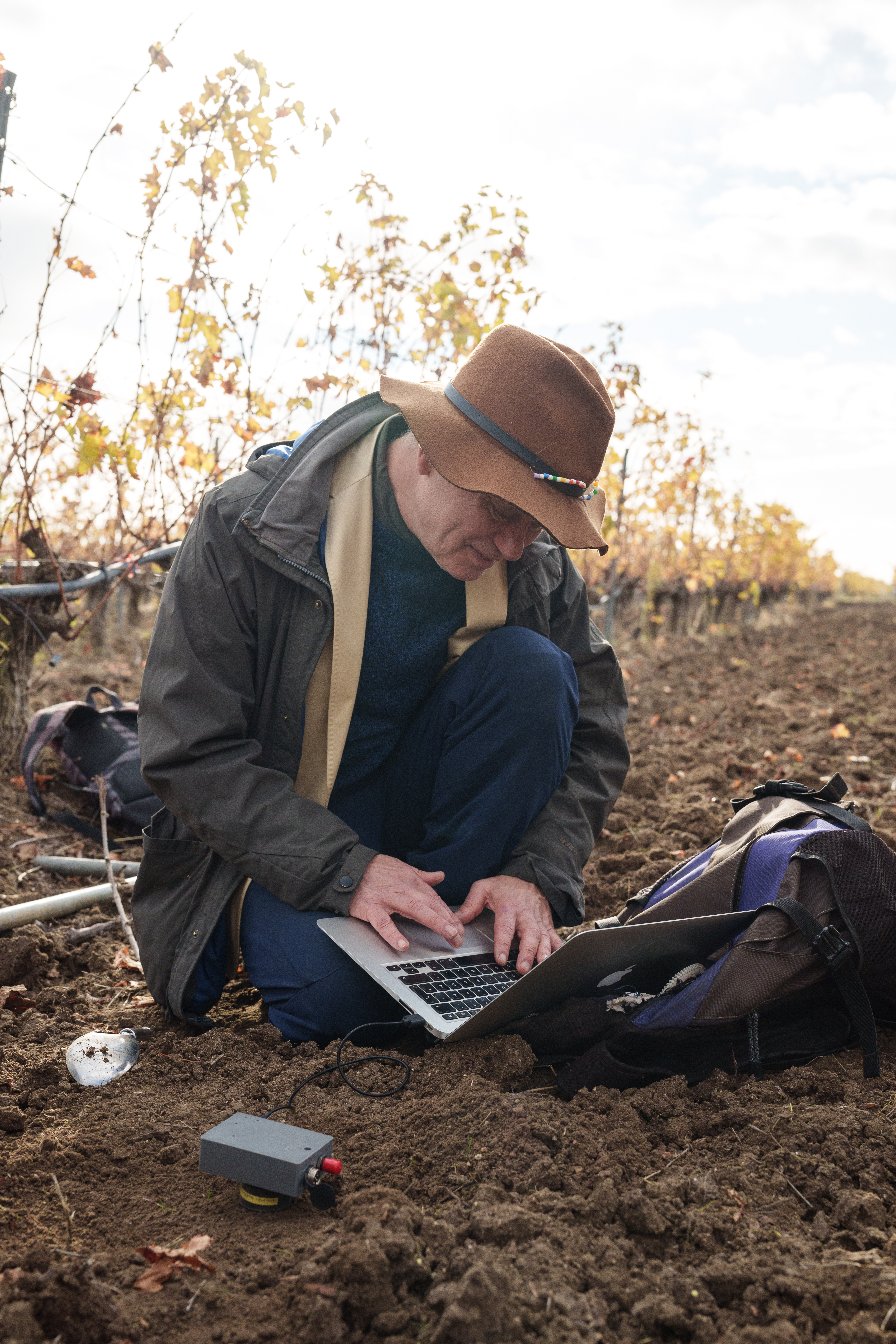 Salinity / pH / EC Methods Rapid screening methods for salinity, acidity, and related chemical soil conditions.
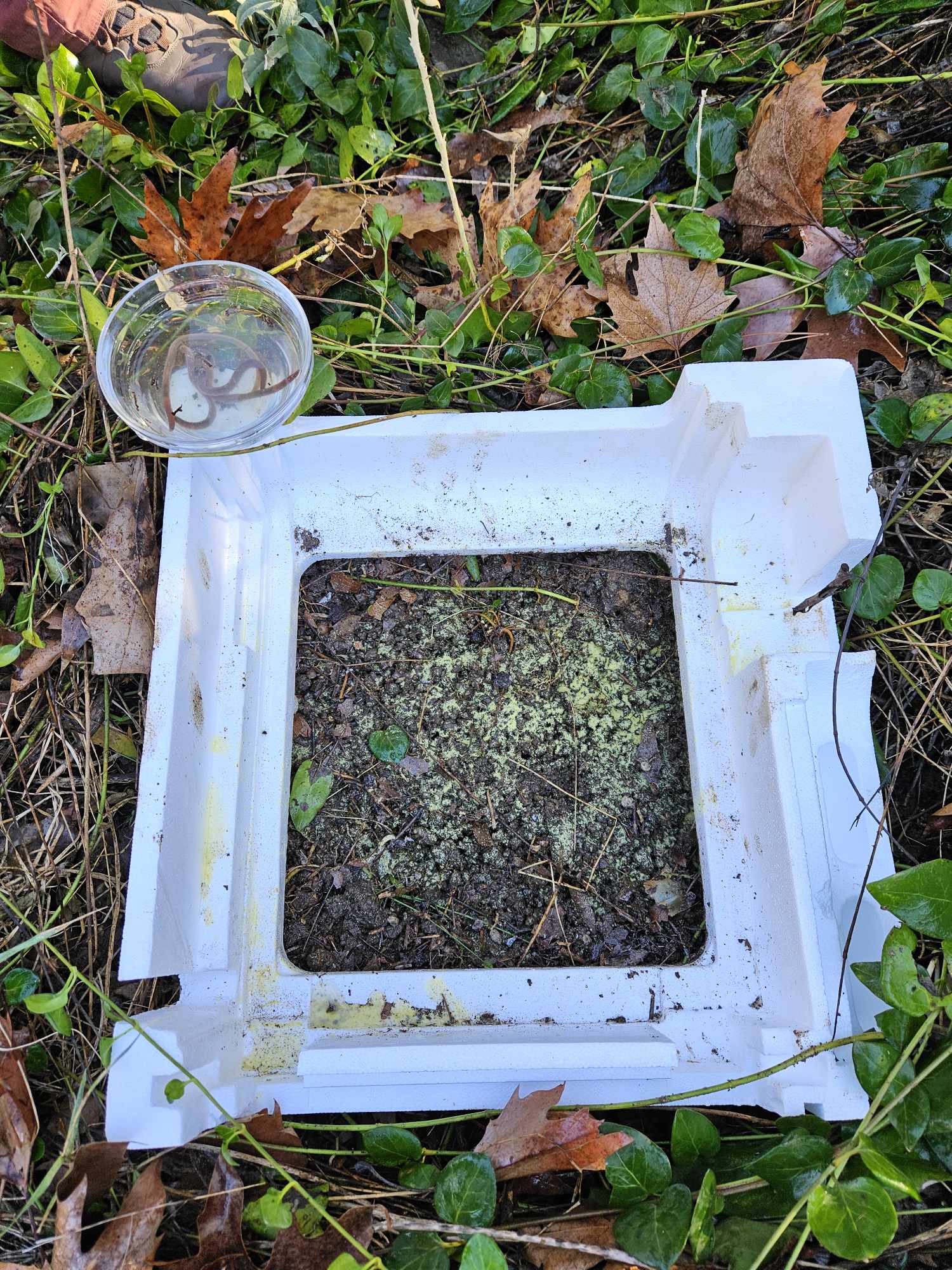 Macrofauna Observation Observation-based assessment of earthworms and other visible soil fauna as indicators of soil biological condition.
Laboratory and detailed assessment methods
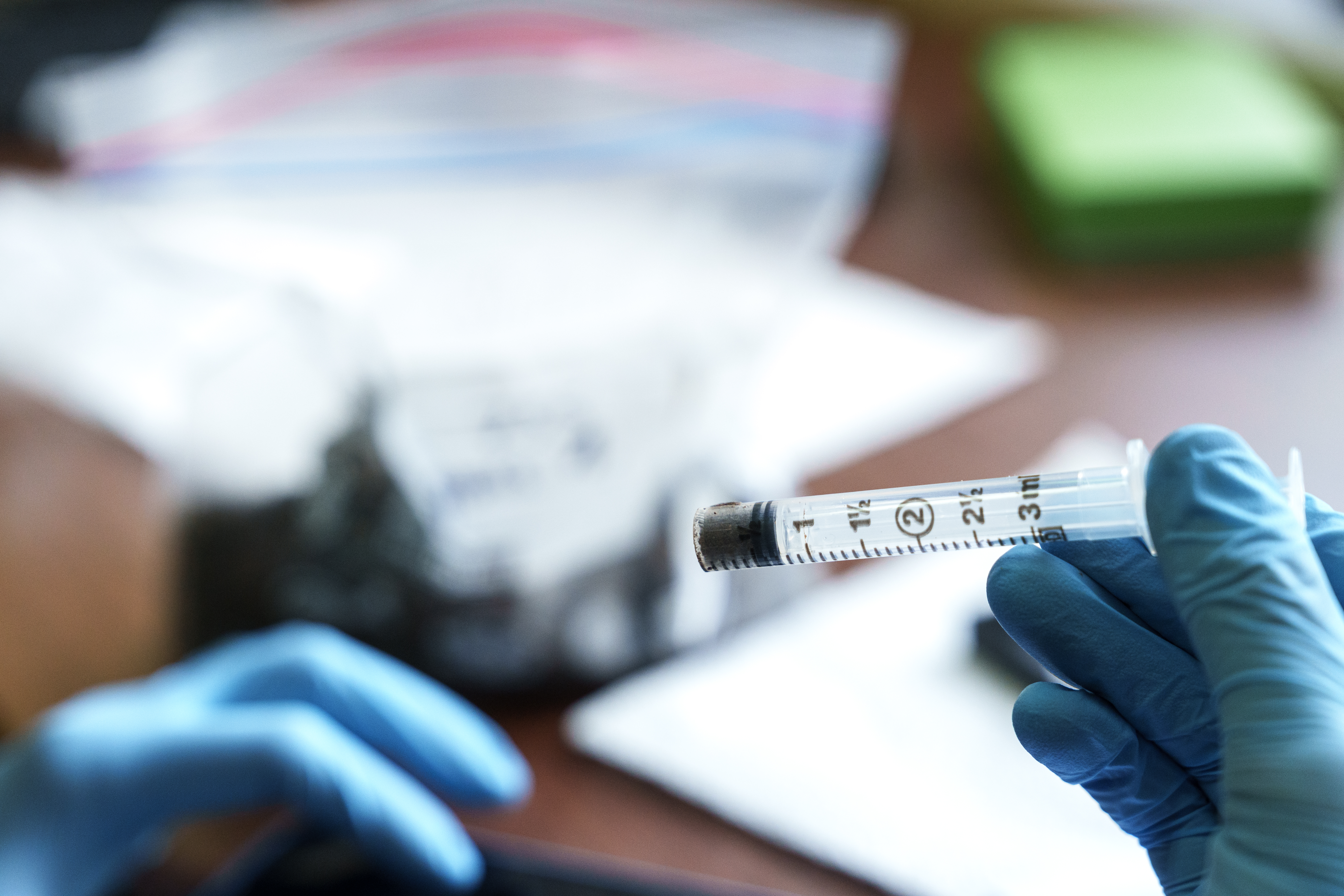 Standard Soil Laboratory Analysis Reference measurements for key soil physicochemical properties and supporting soil health descriptors.
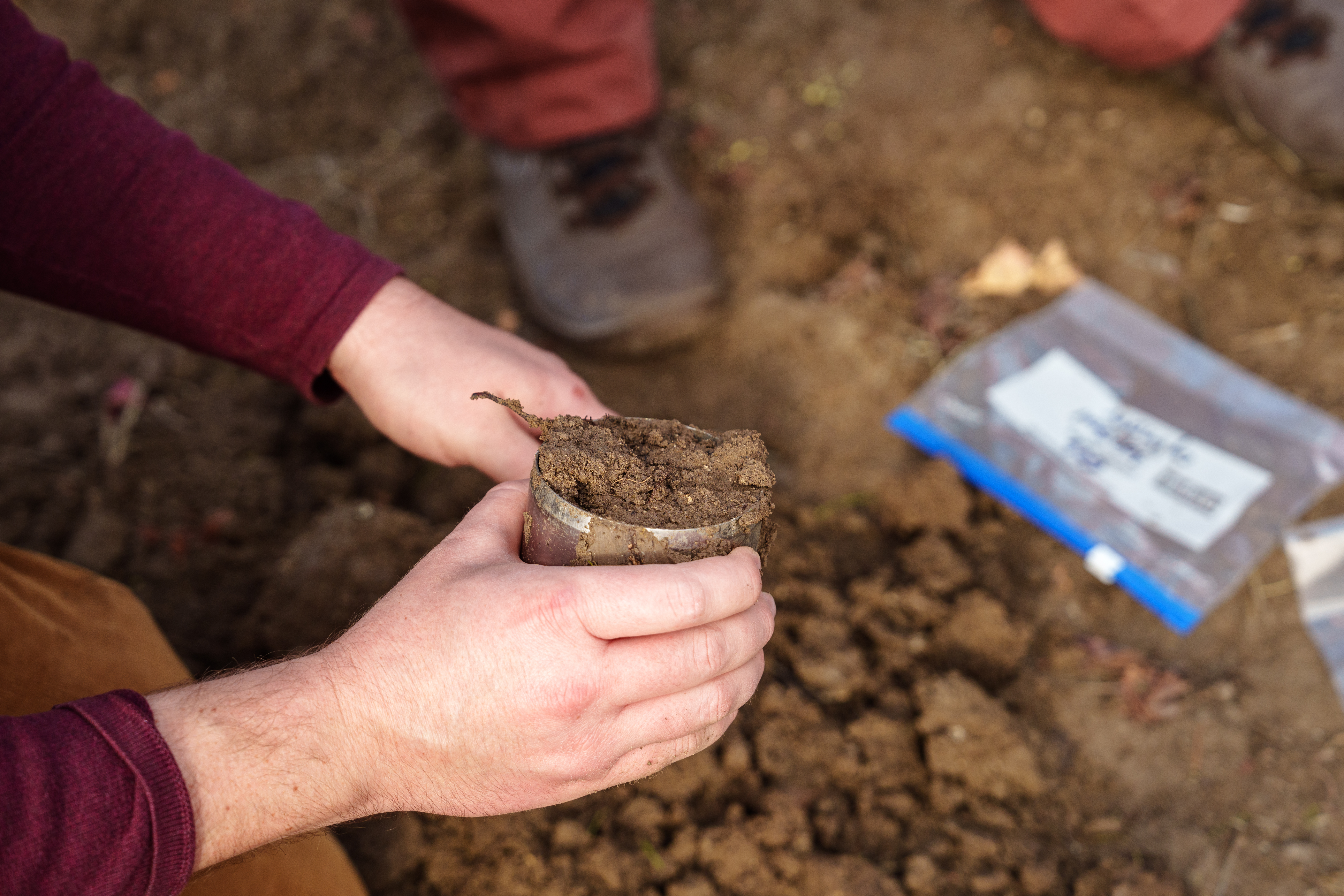 Bulk Density Sampling Sampling approach supporting the assessment of structure, compaction, and stock-related interpretation.
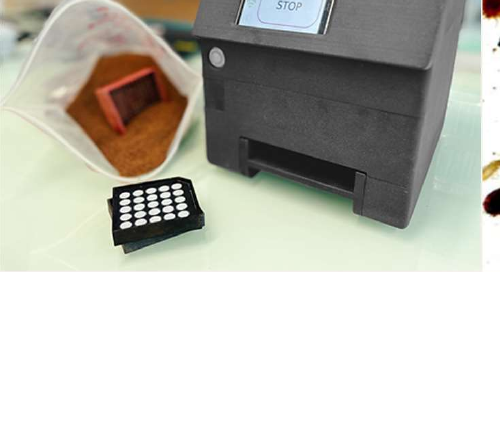 Bio-Enzymatic Activity Measurement of extracellular enzyme activity linked to soil biological functioning and nutrient cycling.
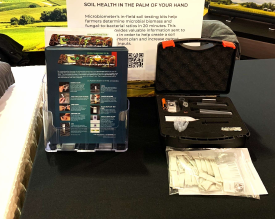 MicroBIOMETER Kit-based method for estimating microbial biomass and fungal/bacterial balance.
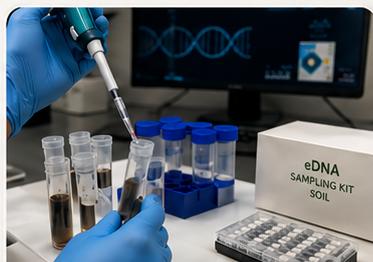 eDNA / Metabarcoding DNA-based workflow for soil biodiversity and biological community assessment.
Start with the soil health descriptor or monitoring need, then identify the toolbox components that best match the assessment task.